
J why are you so controversial? Let me explain. There are times and reasons that megapixels matter. But not the way you think. We are sold on the idea that if a camera has “more” megapixels it is better. Consumers really buy into this. A question I get a lot when I’m asked for a recommendation is why am I recommending one with less megapixels. I take into account what it will be used for. That’s the main reason.
Let me break it down. The more pixels your sensors has the smaller each individual pixel is. While more pixels allows for higher resolution images, especially with crop sensors, they aren’t as good in low light situations. Lower megapixel sensors have larger individual pixels allowing each pixel to gather more light while still giving high resolution images. This is why most top tier professional camera stay around the 20-24 megapixel mark. Until this new wave of mirrorless cameras started. They have upped the megapixel count. Most staying in the 24-30 range. They account for the low light by having much newer sensors that can do wonders with iso as well as much faster processing power.
Crop sensors tend to have more megapixels than their big brothers with full frame sensors. This is to help with resolution on having less sensor to play with.

What do I need an why?
Landscape and astronomy photographers will benefit from higher megapixel sensors. They tend to shoot on tripods with the iso 100. Higher f stops and much slow shutter speeds. They will get the light they need. They need the highest resolution they can for massive files that can be enlarged as big as they want. Cameras like the Canon 5DS with 50 megapixels was targeted to this demographic.

Sports photographers are looking for fps. They tend to shoot with top tier cameras like the Canon 1DX mark iii (20 megapixels) or the Canon R3 (24 megapixels). These give them high resolution files while still having larger individual pixels for better light gathering with faster shutter speeds.

Fashion magazine and billboards in time square need maximum resolution. They need files that can be enlarged to the size of buildings. They tend to use medium format cameras (much much larger sensors) with 100 megapixels. Shooting in a studio allows for more than enough light for the sensor and maximum resolution.
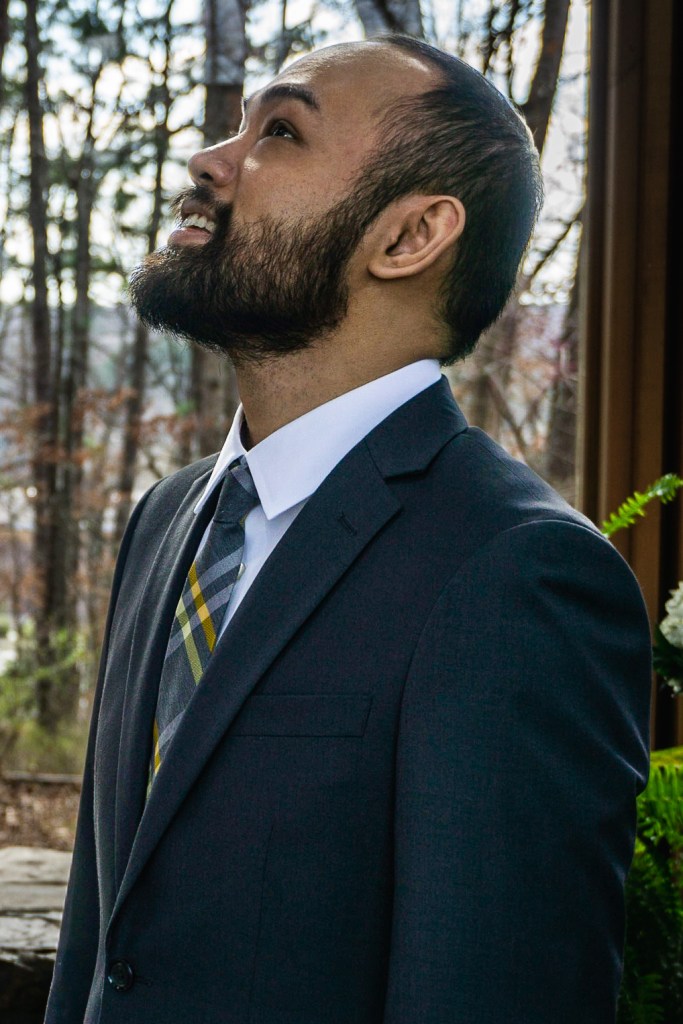
Your everyday wedding, family, portrait, real estate photographers can use any of these. I would say stay in the 20-30 mark and you will be more then okay.
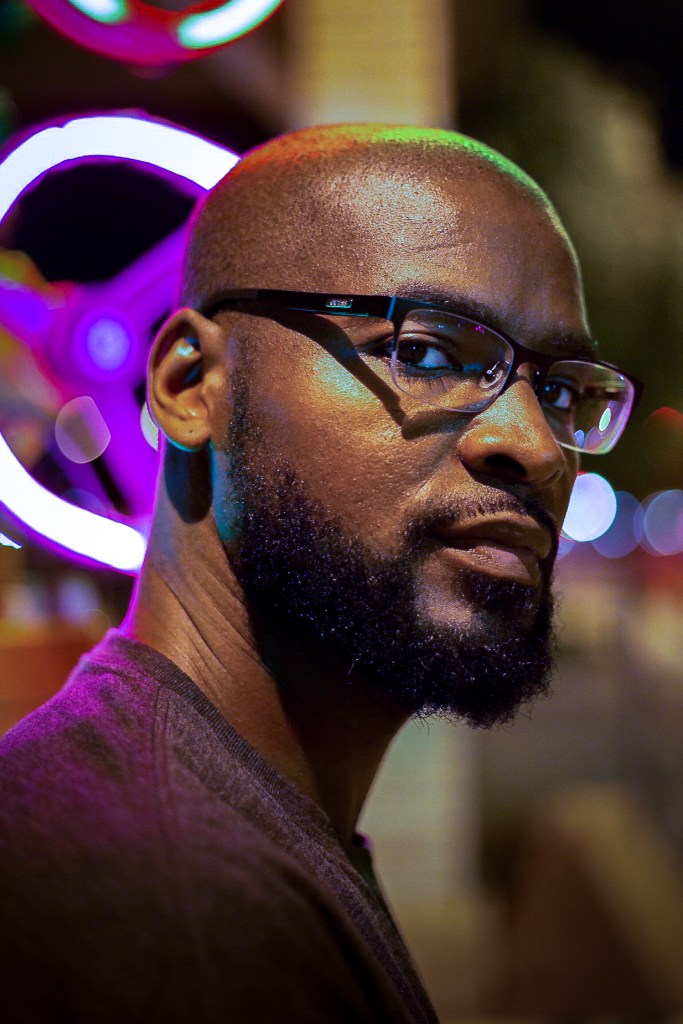
Personally I like 20. More than enough resolution and those larger pixels allow for my signature look. Night portraits with neon lights. One day I will have to upgrade and I hope to stay in the 20 or max 24 range.
All this to say, megapixels don’t matter. What matters is that you are capturing images. And you move forward with what allows you to do the types of photography that matter to you. Push the boundaries of what you have till you absolutely can’t. Then move forward accordingly.
Embrace the noise
J
 uncommonsight